Diving in Bali: Discover Tulamben, Amed and Bali’s underwater world
October 16, 2026
Bali is one of Indonesia’s most diverse scuba diving destinations. Around a single island, divers can explore historic shipwrecks, colorful coral reefs, dramatic walls, volcanic black-sand slopes, macro diving sites and offshore reefs visited by manta rays and mola mola.
One of the great things about diving in Bali is that you can dive throughout the year. Different parts of the island offer completely different underwater experiences, making Bali suitable for newly certified divers, experienced recreational divers and underwater photographers alike.
At Bali Dive Resort, our diving focuses primarily on Tulamben and Amed on Bali’s northeast coast, with Nusa Penida day trips also available for our in-house guests who are Advanced Open Water certified or above.
Where to go diving in Bali
Bali may be one island, but the diving changes considerably depending on where you go.
Nusa Penida is famous for manta rays, drift diving and seasonal mola mola encounters. Menjangan in northwest Bali is known for walls and coral reefs, while Padang Bai and Candidasa offer another mixture of reef and offshore diving.
Then there is Bali’s northeast coast.
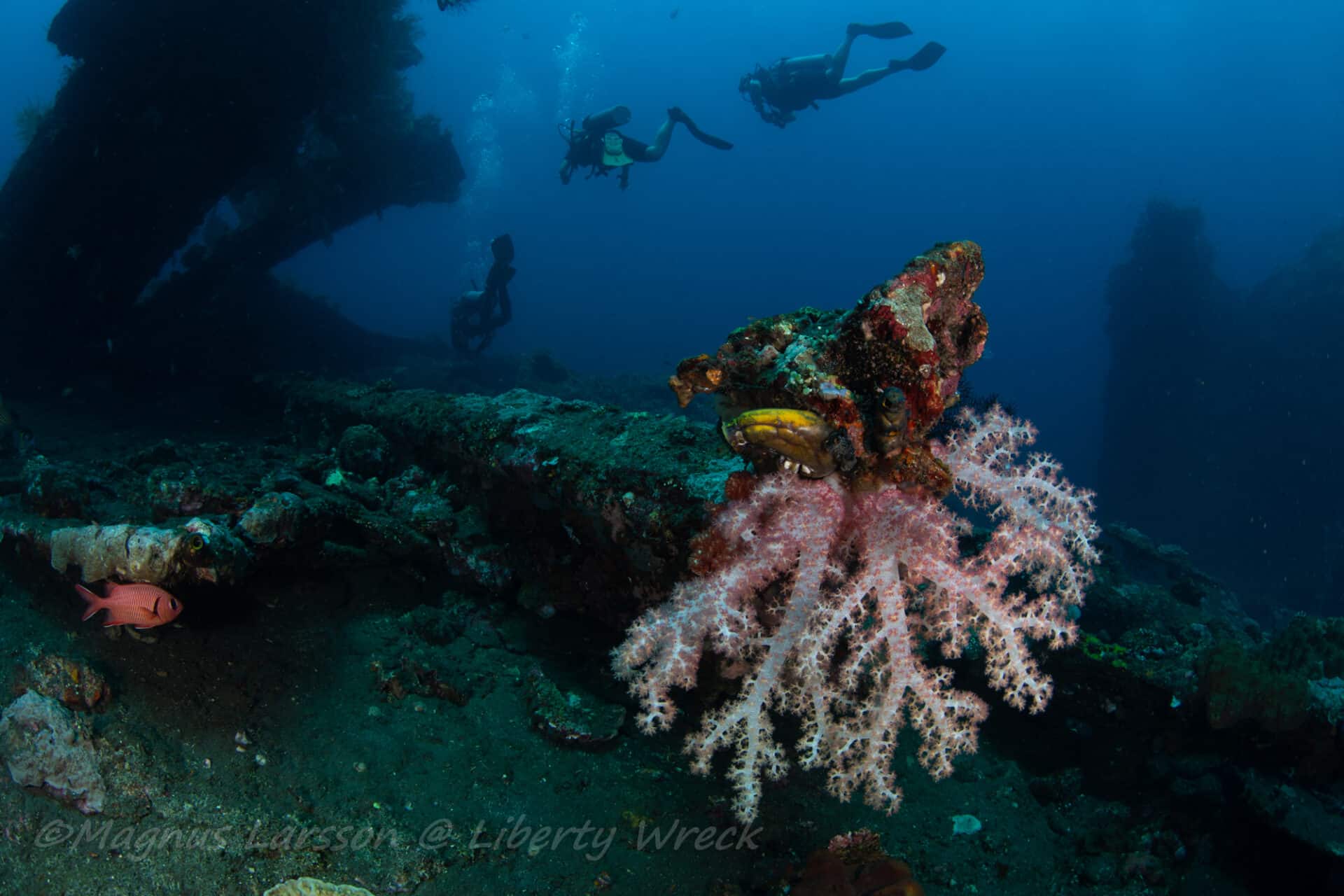
Tulamben is famous for the USAT Liberty Wreck, easy shore diving, black volcanic sand and incredible macro life. Nearby Amed offers colorful coral reefs, walls, bays and traditional fishing villages.
With only around 25–35 minutes between Tulamben and Amed, it is easy to experience both during the same Bali diving holiday.
The Liberty is one of Bali’s most famous dive sites and is accessible directly from the beach. Today, the wreck has become an artificial reef covered with coral and surrounded by marine life.
But diving in Tulamben is about much more than the Liberty.
Coral Garden offers colorful shallow reef diving, while the Tulamben Drop Off provides a completely different wall environment. The surrounding coastline also offers excellent black-sand and macro diving, where experienced local guides search for nudibranchs, frogfish, ghost pipefish, shrimp and other unusual critters.
Most Tulamben dive sites are reached directly from shore, meaning less time travelling and more flexibility when planning your diving day.
Diving in Amed
Amed offers another side of diving in Bali.
The coastline is made up of beautiful bays, coral reefs, walls and traditional fishing villages. Popular dive sites include Jemeluk Bay and the Japanese Wreck, with reef fish, turtles and plenty of smaller marine life to discover.
Amed also offers more restaurants, cafés and small bars than Tulamben while maintaining the relaxed atmosphere that makes northeast Bali so appealing.
With Bali Dive Resort locations in both Amed and Tulamben, you can choose the atmosphere that suits your holiday while having easy access to excellent diving.
When is the best time to dive in Bali?
Bali is a year-round diving destination. There is no particular month when diving simply stops.
In Tulamben, visibility from April to November is commonly around 10–25 metres, although tides and local conditions create daily variations. During the wetter months from December to March, visibility can vary more widely from approximately 5–25 metres.
Water temperatures are generally around 28–30°C from November until approximately June, becoming slightly cooler at around 27–28°C from July through October.
March to June often brings particularly calm conditions, while July to October can be windier. The rainy season does not mean constant rain either. Rain frequently arrives during the afternoon or evening, while mornings can still be clear and calm.
Add Nusa Penida to your Bali diving holiday
For experienced divers, Nusa Penida offers a completely different experience from Tulamben and Amed.
Its offshore dive sites are famous for manta rays, drift diving and seasonal mola mola encounters. Conditions can include stronger currents, deeper dives and cooler water, which is why our Nusa Penida day trips are available for Advanced Open Water certified divers or above.
These trips are exclusively available to guests staying with Bali Dive Resort, making it possible to enjoy several days of relaxed northeast Bali diving and add a Nusa Penida adventure during the same holiday.
Responsible diving in Bali
Experiencing Bali’s underwater world also comes with a responsibility to protect it.
Bali Dive Resort is proud to be the only Green Fins Gold Member and the only PADI ECO Center in the Tulamben and Amed area. Environmental responsibility is therefore part of how we approach everyday diving and diver education.
We encourage good buoyancy and trim, responsible interactions with marine life, careful diving around coral reefs and reducing unnecessary waste. Through our PADI ECO courses and Dive Against Debris activities, divers can also become directly involved in marine conservation while developing their diving skills.
Better diving skills don’t only make your dives more enjoyable — they also help protect the reefs we all come to Bali to experience.
Plan your diving in Bali
If you are planning a scuba diving holiday in Bali, give yourself enough time to experience more than one dive site.
Explore the USAT Liberty Wreck, discover Tulamben’s reefs and black volcanic slopes, spend time diving around Amed and, if you have the appropriate certification and experience, consider adding a Nusa Penida day trip.
At Bali Dive Resort and Spa in Tulamben and Bali Dive Resort Amed, you can combine diving, PADI courses and comfortable accommodation while staying close to some of the best dive sites on Bali’s northeast coast.
Ready to go diving in Bali? Contact our team to plan your dives, accommodation and transfers and start exploring the underwater world of Tulamben and Amed.
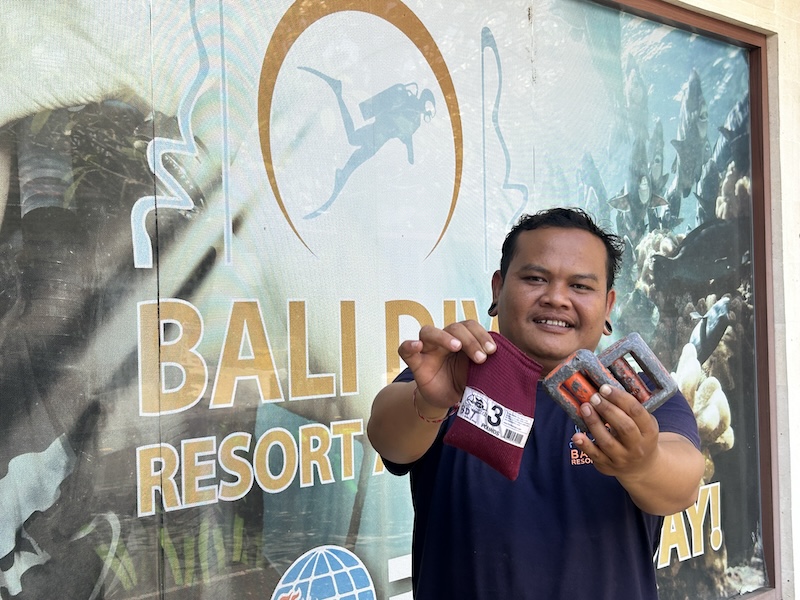
One of the most common questions new divers ask is, "How much weight do I need for scuba diving?" The answer is surprisingly simple: there isn't one. Proper scuba weighting depends on your equipment, exposure suit, cylinder type, body composition, ...