Nudibranchs in Bali: Discover Tulamben’s Colorful Underwater World
November 13, 2026
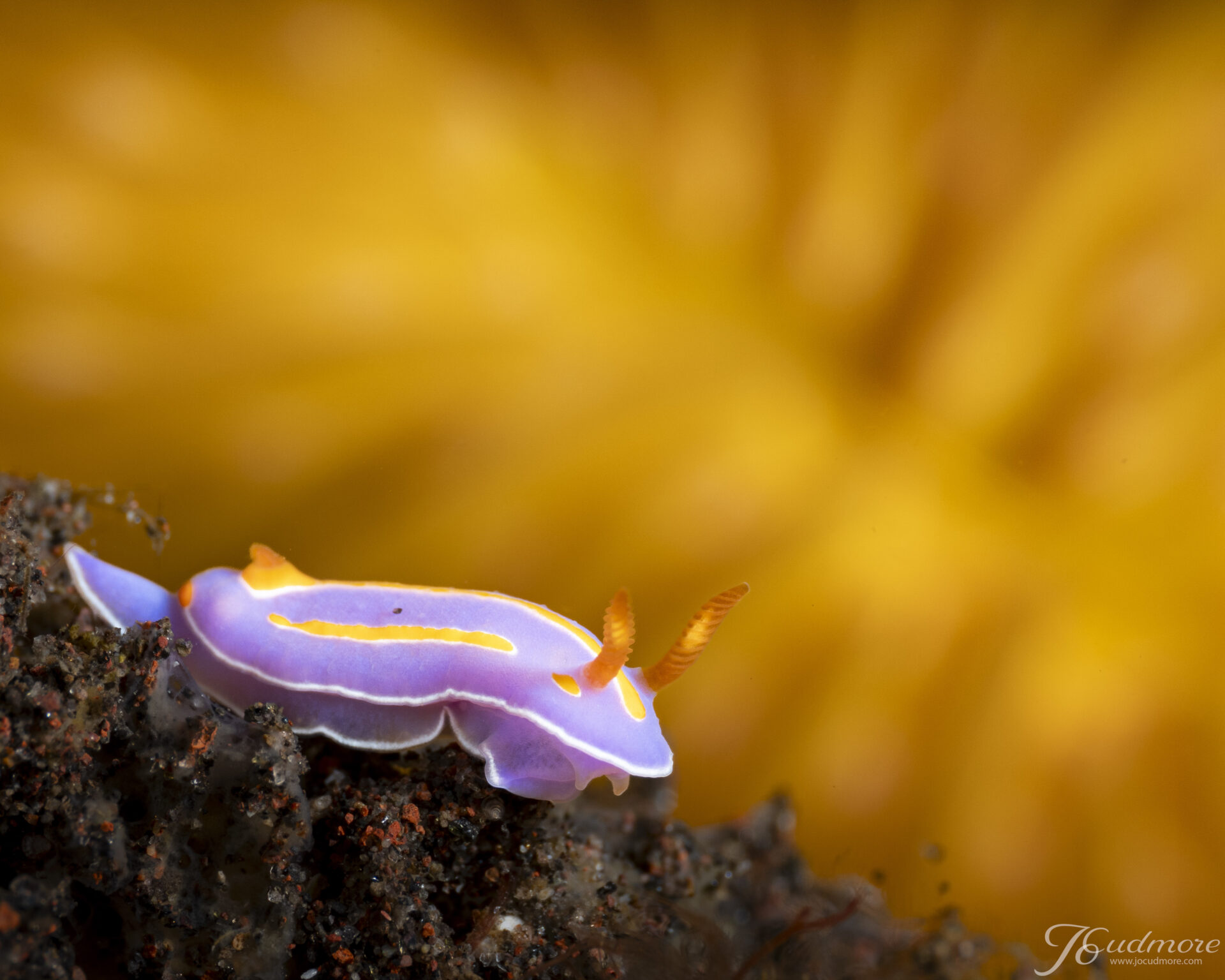
Bali is home to an incredible variety of marine life, but some of its most fascinating creatures are also among the smallest. Nudibranchs, often called sea slugs, are famous for their extraordinary colors, unusual shapes and fascinating survival strategies.
For underwater photographers and macro diving enthusiasts, discovering nudibranchs in Bali can be just as exciting as encountering a manta ray or exploring a famous shipwreck.
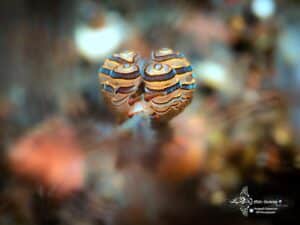
And if you’re searching for these colorful little creatures, Tulamben on Bali’s northeast coast is one of the best places to start. Its volcanic black sand, coral reefs and rich marine biodiversity create excellent habitats for nudibranchs, including the rare Doto greenamyeri, also known as the “donut nudibranch,” found around our house reef at Bali Dive Resort and Spa.
What is a nudibranch?
Nudibranchs are soft-bodied marine molluscs belonging to the same larger animal group as snails and clams. Unlike most snails, adult nudibranchs have no protective shell.
Their name means “naked gills,” referring to the exposed breathing structures found on many species.
There are thousands of nudibranch species worldwide, ranging from tiny, almost transparent creatures to larger animals displaying brilliant combinations of yellow, blue, orange, purple and red.
Although often called sea slugs, not every sea slug is a nudibranch. Nudibranchs are a particular group within the wider diversity of marine gastropods.
For divers, their incredible variety makes every discovery special.
Why are nudibranchs so colorful?
One of the most fascinating characteristics of nudibranchs is their appearance.
Some species use camouflage to blend into sponges, corals or other marine growth. Others display bright colors that warn predators they may be toxic or unpleasant to eat.
Without a protective shell, nudibranchs have developed remarkable defense mechanisms. Certain species absorb defensive chemicals from their food, while others can retain stinging cells from the animals they consume.
They also have specialized sensory organs called rhinophores, which help them detect chemical signals in the water, locate food and navigate their surroundings.
Those beautiful colors and unusual shapes are much more than decoration.
What do nudibranchs eat?
Despite their delicate appearance, nudibranchs are carnivorous.
Depending on the species, they feed on sponges, hydroids, sea anemones, bryozoans and sometimes even other nudibranchs.
Many are highly specialized feeders, meaning they depend on particular organisms for food.
This is why experienced macro diving guides often examine specific sponges, hydroids and reef structures when searching for nudibranchs.
Knowing where their food grows can be just as important as knowing where the nudibranchs themselves have previously been spotted.
Nudibranchs in Tulamben, Bali
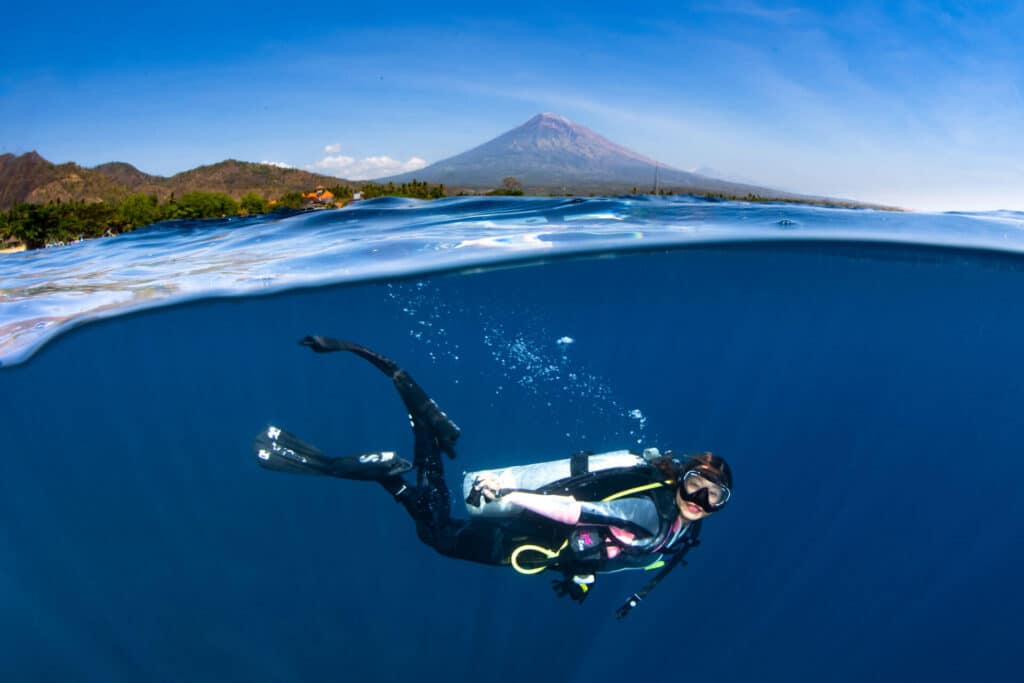
If you’re interested in nudibranch diving in Bali, Tulamben offers an extraordinary underwater environment.
Although Tulamben is internationally famous for the USAT Liberty Wreck, its volcanic coastline is also home to some of Bali’s most rewarding macro diving.
Black-sand slopes, coral patches, rocky formations and artificial reef structures provide habitats for an impressive variety of small marine creatures.
Nudibranchs can be discovered around sponges, hydroids and other marine growth, often hiding in places that most divers would swim straight past.
This makes macro diving in Tulamben particularly interesting. Instead of covering large distances underwater, divers slow down, observe carefully and discover an entirely different world.
And because nudibranchs can be found throughout the year, every season offers opportunities for exciting discoveries.
Meet the rare Doto greenamyeri – the donut nudibranch
One particularly special nudibranch found in Tulamben is the rare Doto greenamyeri, affectionately known as the “donut nudibranch.”
This unusual little creature is recognized by its distinctive ring-like structures along its body, giving it an appearance unlike most other nudibranchs.
What makes it especially exciting for us is that Doto greenamyeri is spotted almost exclusively around our house reef at Bali Dive Resort and Spa in Tulamben, based on our local diving experience.
Its tiny size and camouflage make it extremely difficult to spot without knowing what to look for.
For underwater macro photographers and nudibranch enthusiasts, finding this unusual species can be one of the highlights of a diving holiday in Bali.
It is a wonderful reminder that some of the ocean’s most extraordinary creatures can be hiding just a few metres from shore.
Where to find nudibranchs in Tulamben
Several dive sites around Tulamben offer excellent opportunities to search for nudibranchs.
Our Bali Dive Resort house reef is particularly rewarding for macro enthusiasts. Located directly in front of the resort, its volcanic black-sand slopes and coral patches provide habitats for a wide variety of unusual marine creatures.
Nearby Batu Niti and Melasti are also well-known for macro diving, while Coral Garden and the Tulamben Drop Off offer opportunities to discover nudibranchs among reef structures and marine growth.
The secret to finding nudibranchs is patience. Slow down, maintain good buoyancy and let your guide show you the details that are easily overlooked.
Underwater photography and responsible diving
Nudibranchs are wonderful subjects for underwater macro photography, but their small size and delicate habitats require extra care.
Never touch, move or reposition nudibranchs for a photograph. Avoid resting your camera, fins or other equipment on the reef, and maintain excellent buoyancy when approaching small marine animals.
At Bali Dive Resort and Spa, we are proud to be part of the only PADI ECO Center and Green Fins Gold Member operation in the Tulamben and Amed area.
We believe responsible diving and underwater photography should always leave marine life undisturbed.
A beautiful photograph is never worth damaging the environment.
Discover nudibranch diving in Bali
You don’t need to be an underwater photographer to appreciate nudibranchs. Once you begin noticing these fascinating little creatures, you’ll discover an entirely different side of scuba diving.
At Bali Dive Resorts, our experienced local guides can help you explore the world of macro diving, from colorful nudibranchs and rare donut nudibranch sightings to frogfish, ghost pipefish and other unusual marine life.
Whether you’re an experienced macro enthusiast or simply curious about the smaller inhabitants of Bali’s reefs, Tulamben offers an underwater experience worth slowing down for.
Ready to discover nudibranchs in Bali? Contact our team to arrange your macro diving adventure in Tulamben and explore the fascinating marine life hiding beneath the surface.
Looking for the top 5 dive sites in Bali for beginner divers? Bali’s northeast coast is one of our favorite places for newly certified divers, with warm tropical water, easy shore diving and an incredible variety of underwater environments around ...