Coral Reefs and Coral Bleaching in Bali: 7 Essential facts every Tulamben diver should know
April 3, 2026
Coral Reefs and Coral Bleaching in Bali: 7 Essential Facts Every Tulamben Diver Should Know 🪸
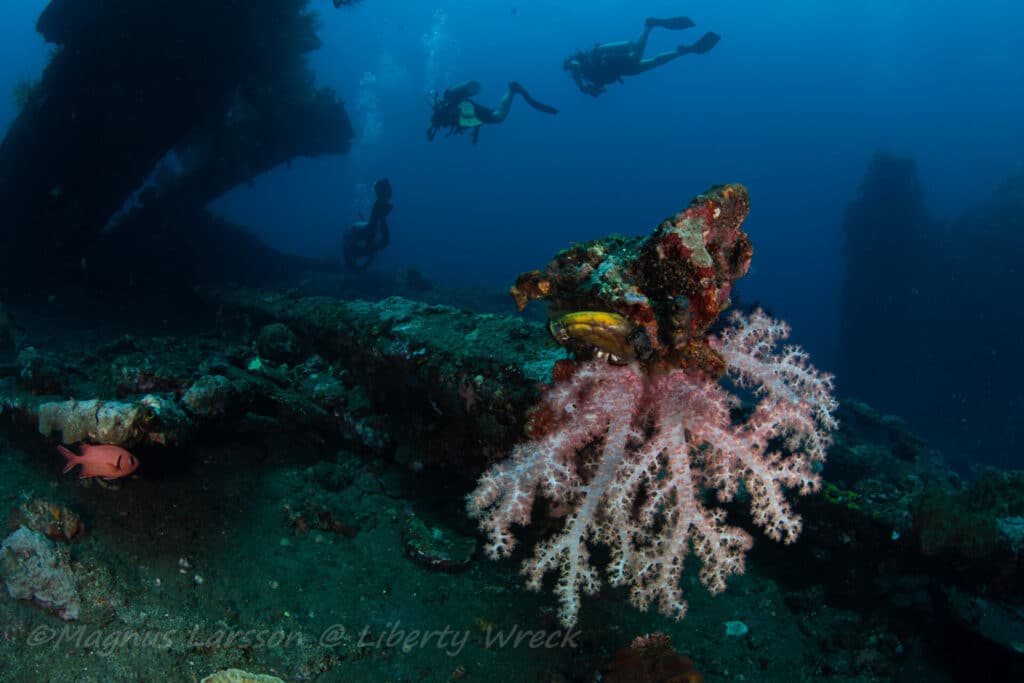
Tulamben is world-famous for its easy shore diving, rich marine life, and the iconic USAT Liberty Wreck. But beyond the stunning underwater scenery, understanding coral reefs and coral bleaching in Bali is essential for every diver who explores this coastline.
Coral reefs are not just beautiful dive sites — they are living ecosystems that support marine life, protect coastlines, and sustain local communities. In Tulamben, where reefs are accessed directly from shore, diver awareness plays a critical role in reef protection.
1. Coral Reefs in Bali Are Built by Animals
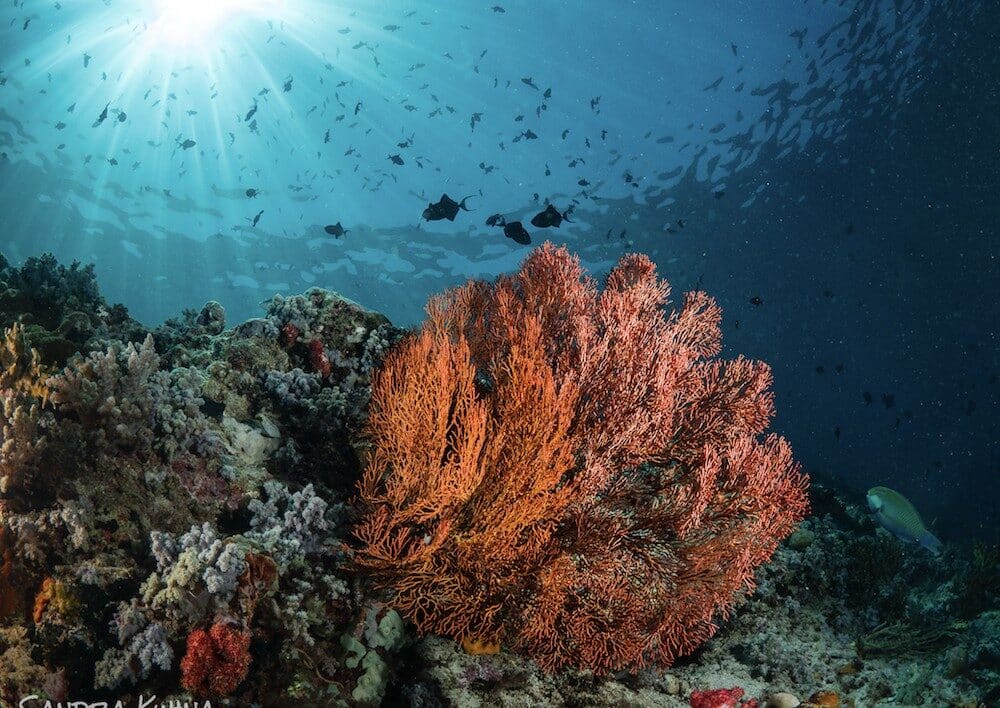
Despite looking like plants or rocks, corals are marine animals. Each coral reef in Bali is built by thousands of tiny animals called polyps, which use their tentacles to capture microscopic food from the water.
Over time, these polyps secrete calcium carbonate, forming the reef structures we see while scuba diving in Tulamben. Because coral reefs grow extremely slowly, even small damage can take decades to recover — especially on popular shore diving sites like the Liberty Wreck area.
2. Why Coral Reefs Thrive in Tulamben
One reason Tulamben diving is so unique is the presence of healthy coral growth on black volcanic sand. Coral reefs here rely on a symbiotic relationship with microscopic algae called zooxanthellae, which live inside the coral tissues.
These algae provide corals with energy through photosynthesis and give them their vibrant colours. In return, corals provide shelter and nutrients. This delicate balance allows Bali coral reefs to flourish — as long as conditions remain stable.
3. What Is Coral Bleaching?
Coral bleaching occurs when corals become stressed and expel their zooxanthellae. Without these algae, corals lose their colour and turn white, exposing their skeleton underneath.
Bleached corals are not dead, but they are weakened. If stressful conditions persist, corals may starve, become diseased, and eventually die. This is why coral bleaching is one of the biggest threats to coral reefs in Bali and worldwide.
4. What Causes Coral Bleaching in Bali?
The main cause of coral bleaching in Bali is rising sea temperatures, often linked to climate change. Even a small temperature increase over an extended period can trigger bleaching events.
Other contributing factors include:
Pollution and coastal runoff
Plastic waste and sunscreen chemicals
Ocean acidification
Physical damage from anchors or poor buoyancy
In popular dive destinations like Tulamben, diver behaviour plays a crucial role in reducing stress on coral reefs.
5. Why Coral Reefs Matter for Tulamben Diving
Although coral reefs cover less than 1% of the ocean floor, they support around 25% of all marine species. In Tulamben, coral reefs provide habitat for macro life, reef fish, turtles, and schooling species often seen around the Liberty Wreck.
Healthy coral reefs also support local livelihoods through eco-tourism, diving, and snorkelling. Protecting reefs means protecting the future of diving in Tulamben and Bali as a whole.
6. The Diver’s Responsibility in Tulamben
Tulamben is primarily a shore diving destination, which makes buoyancy control and fin awareness especially important. Poor technique can easily damage fragile corals growing close to the entry points.
Understanding coral reefs and coral bleaching in Bali helps divers make better decisions underwater and become active protectors of the reefs they enjoy.
7. How Divers Can Protect Coral Reefs in Bali
Every diver can help protect coral reefs in Tulamben by adopting responsible habits.
Small actions, repeated by many divers, create meaningful change.
Conclusion: Protecting Coral Reefs in Tulamben Starts With Awareness
Coral reefs are the foundation of diving in Tulamben and across Bali. They support marine life, protect coastlines, and create unforgettable underwater experiences. Because coral reefs grow slowly and are easily damaged, protecting them requires knowledge, respect, and responsible diving practices.
By understanding coral reefs and coral bleaching in Bali, divers can help ensure that Tulamben remains one of the best shore diving destinations in the world — today and for generations to come.
Bali is one of Indonesia’s most diverse scuba diving destinations. Around a single island, divers can explore historic shipwrecks, colorful coral reefs, dramatic walls, volcanic black-sand slopes, macro diving sites and offshore reefs visited by manta rays and mola mola. ...